


Heat Pump vs Furnace: Which Is Best in Virginia?
Furnace12/13/25
Two of the most popular heating systems on the market today are furnaces and heat pumps. If you’re in the market for a new heating system, it’s important to understand the key differences between the two. Below, we’ll address what both systems are, how they work, and which one is likely better for your home.
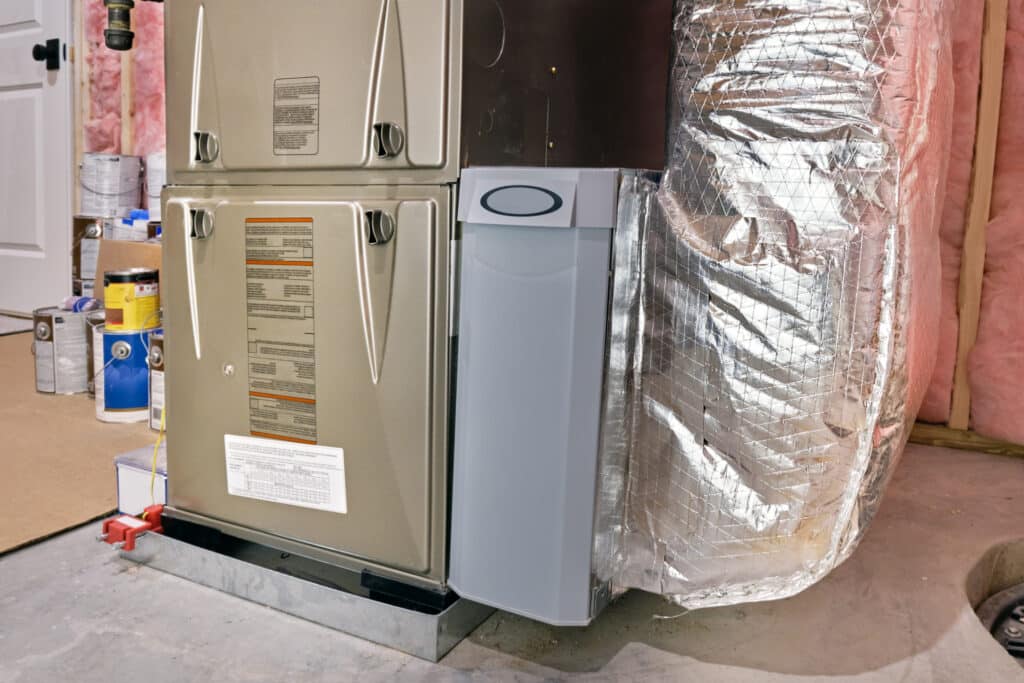
How Heat Pumps and Furnaces Work
Furnaces are designed to run on natural gas, propane, heating oil, or electricity. Those that run on electricity have an internal heating element that warms up, and air passes over it to heat the air. Furnaces that use fuel will burn it through the combustion process to create heat that transfers into the air. The combustion process takes place inside your furnace, and the fumes run through a heat exchanger.
This metal component allows for heat to radiate from the fumes to the air surrounding the heat exchanger. This air is introduced through your ducting as it warms on its way past the heat exchanger to being delivered throughout the rest of your home. The toxic exhaust fumes from the combustion process travel through the heat exchanger and out of your home through your venting system, typically a chimney.
Heat pumps typically use electricity to transfer heat from one location to another. During the winter months, heat pumps actively absorb heat from the air outside and pump it into your home. It does this through a substance called refrigerant that’s effective at absorbing heat and releasing it. One thing to keep in mind about heat pumps is that they also provide cooling during the summer months. They do this by absorbing heat from inside your home and transferring it to the outdoors.
Pros and Cons of Each Heating System
Before you can make your ultimate purchasing decision, it’s important to understand the pros and cons that come along with each heating system. This can help you weigh the differences between both units and allow you to decide which one is likely the ideal choice for your scenario. It’s important to know that both heat pumps and furnaces have their place depending on the specific needs of the homeowner and their existing home’s infrastructure.
Benefits of Heat Pumps
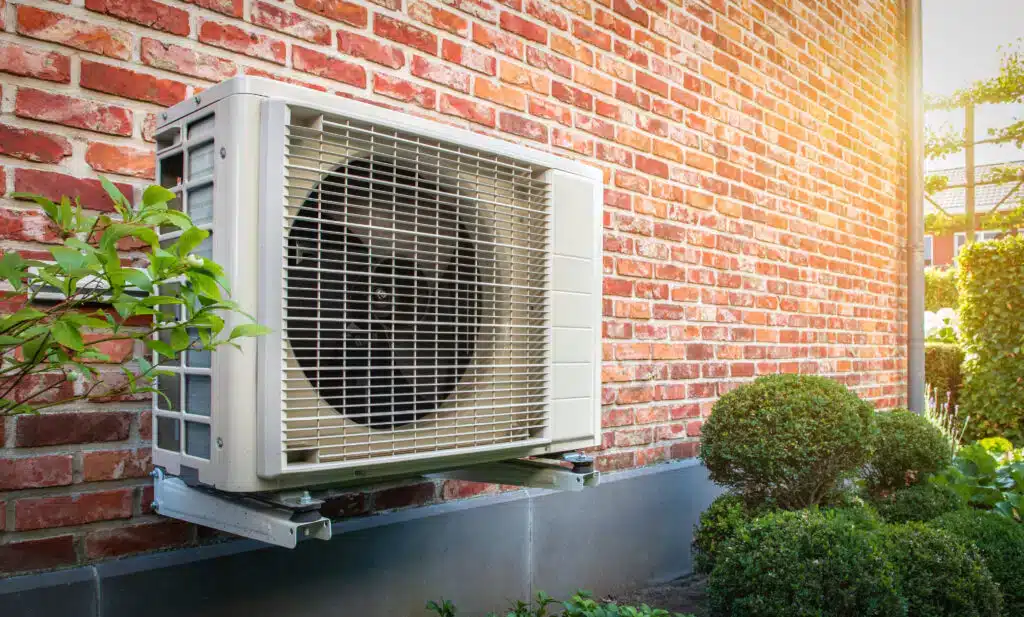
One of the biggest benefits of a heat pump is its energy efficiency. These units are the most efficient on the market today and are widely suitable for Virginia’s moderate climate. Their ability to offer both heating and cooling provides all-year-round comfort in one unit. Heat pumps do come with standard models that attach to your existing ducting or ductless mini-split models. The latter allows for individual temperature control for each room of your home.
Because heat pumps don’t burn fuel to create heat, there’s no safety risk involved with combustion fumes like carbon monoxide. They’re also more eco-friendly because they don’t contribute to greenhouse gases. Many homeowners find heat pumps to be more comfortable because they run longer cycles to produce a more consistent temperature than furnaces.
Benefits of Furnaces
Furnaces are one of the most cost-effective heating systems you can purchase. They’re extremely versatile in their ability to use different fuels depending on what’s available in your area. For example, if you don’t have a natural gas hookup, you can still purchase a propane or oil-burning furnace. Furnaces provide a steady stream of reliable high-heat output on those colder winter days.
These systems easily integrate with your existing ducting to provide adequate heating throughout your entire home. Furnaces are known to be highly reliable in extremely cold temperatures. This gives them a leg up over heat pumps that tend to lose efficiency when temperatures drop below freezing. There are high-efficiency furnaces that come at a premium price. These offer better operating efficiencies so that you can cash in on long-term energy savings. Many will even make you eligible to receive tax credits to reduce the total cost of your new unit.
When a Heat Pump Works Best
Heat pumps can be an ideal choice for homeowners who are looking to get both heating and cooling all in one unit. They do cost more upfront, but can provide you with long-term energy savings that simply aren’t possible with traditional furnaces. Even better, many homeowners can claim a tax credit right now when they purchase these high-efficiency heating systems. This can go a long way in reducing your upfront cost.
When a Furnace Works Best
There’s no doubt that furnaces produce high-temperature heat fairly quickly, which makes them a preferred option for those looking for instant heat. Their lower upfront cost makes them a popular choice for budget-conscious homeowners who are looking to minimize their upfront costs. Additionally, homeowners that have a newer central air conditioning system typically will purchase a furnace because they already have adequate home cooling.
Choosing the Right Heating System For Your Virginia Home
If you’re still not sure which type of heating system is right for your Virginia home, our HVAC technicians can help. We can thoroughly assess your home, understand your budget, and recommend the best system to meet your needs. We offer a large selection of both furnaces and heat pumps so that you can get the ideal fit for your home. Simply call Caffi Services today to get the expert assistance you need with your heating installation.
Frequently Asked Questions
As a full-service heating and cooling company, we receive many questions from our clients. Below, we’ll address some of the most frequent ones we receive regarding heat pumps and furnaces.
Are Heat Pumps Energy-Efficient in Colder Climates Like Virginia?
Heat pumps are energy-efficient in all climates. The trick is to guarantee that you get the right type of heat pump to ensure efficient operation. In colder climates, you’ll need to purchase a cold-climate-rated heat pump that can perform well down to temperatures of negative 20 degrees Fahrenheit.
How Long Do Heat Pumps and Furnaces Typically Last?
A standard heat pump has a usable lifespan of about 10 to 15 years. Furnaces that burn heating oil, natural gas, or propane last about 15 to 20 years. Furnaces that use electricity last for between 20 and 30 years with proper care and upkeep.
Can I Pair a Heat Pump With a Furnace for Hybrid Heating?
Yes, you can certainly pair a heat pump with a furnace for hybrid heating. The idea is that you’ll use your heat pump when temperatures are above freezing to capitalize on energy savings. Once the temperatures drop below freezing, you’ll switch over to using your furnace, as it’s more effective in colder temperatures.
What Factors Should I Consider Before Replacing My Heating System?
When selecting a new heating system for your home, there are a few different things you want to take into consideration. These include whether you have existing ducting, the upfront price of the unit, and your long-term energy goals. Whether a heat pump or a furnace is the right choice for your home will highly depend on what your goals are and your budget.
We have all the necessary certifications
to operate in the state of Virginia.
Looking to install a new air conditioner?
Interested in starting a kitchen remodel?
We’ll provide an honest, upfront estimate
to help you make an informed decision.
We keep the environment in mind by
installing energy-efficiency HVAC systems,
providing chemical-free drain cleaning,
and renovating with eco-friendly building
materials.
With our 100% satisfaction guarantee,
you can count on us to stand behind
our work every step of the way.
Appointment Times
We schedule service visits in four-hour
windows to help us accommodate
emergencies that may arise. For your
convenience, our technicians will call
you when they’re on their way so you
know when to expect them.
Emergencies can’t wait. If you have a
stopped-up toilet or broken furnace,
give us a call for same-day, 24/7 service.