

Comparing Furnaces vs. Boilers: Which Is Best for Your Home?
Boilers, Furnace02/17/26
When it comes to heating your home in Alexandria, VA, choosing between furnaces and boilers can be quite a challenge. Both systems keep homes warm during cold months, but they work in different ways and offer you different benefits. Understanding how each system operates helps you decide which option suits your home better and supports long-term comfort and efficiency.
How Furnaces Heat Your Home
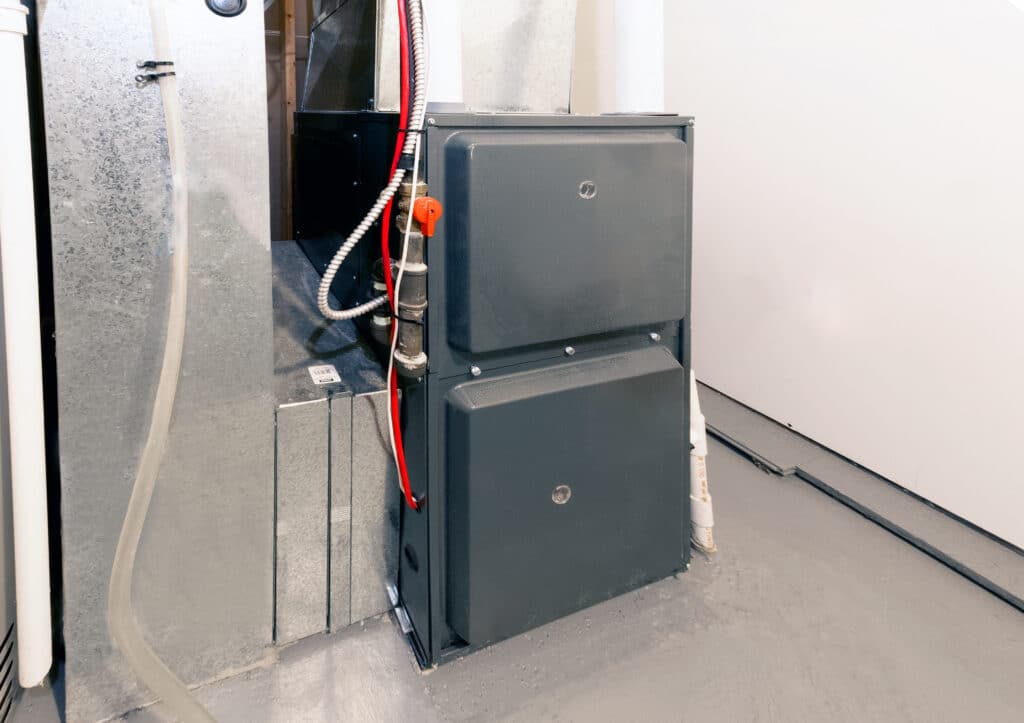
Furnaces heat air and distribute it through ductwork using a blower. The system pulls in cool air, warms it using gas or electric heat, and pushes it through vents into each room. This process allows furnaces to heat homes quickly and maintain consistent airflow.
You may choose a furnace because it integrates easily with a central air conditioning system. The same ductwork used for heating can support cooling during warmer months. Furnaces also respond quickly to thermostat changes, which makes them a practical option for households that want rapid temperature adjustments. Modern furnaces include advanced features such as variable-speed blowers and high-efficiency ratings that reduce energy use.
How Boilers Heat Your Home
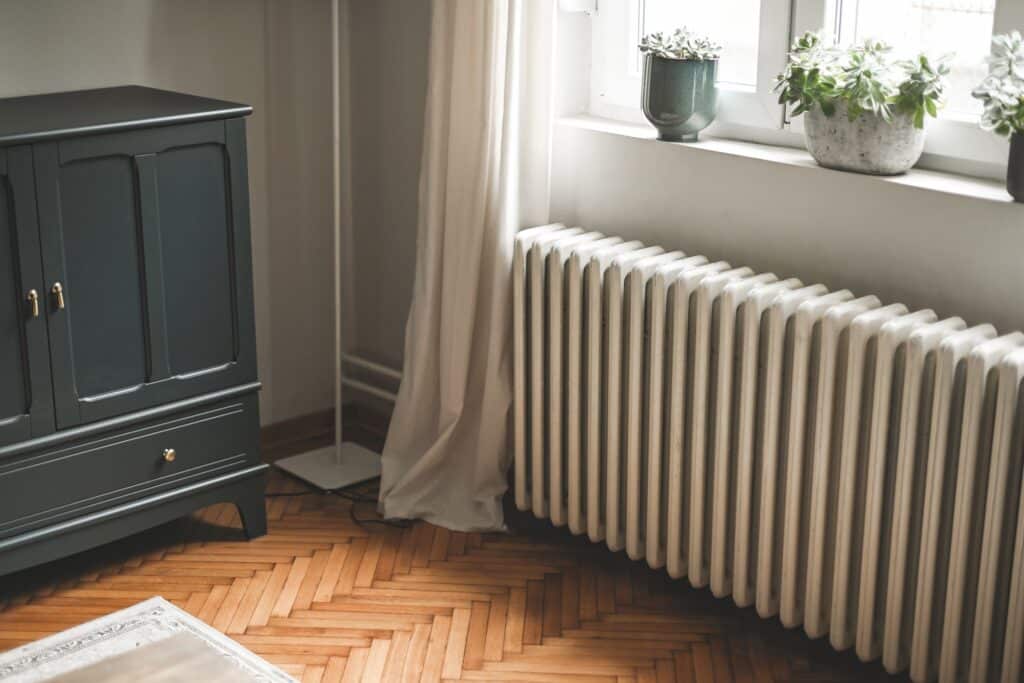
Boilers heat water and circulate it through pipes to radiators, baseboard heaters, or in-floor heating systems. Instead of blowing air, boilers provide your home with radiant heat that warms rooms gradually.
This style of heating feels more consistent because it avoids airflow and drafts. You may appreciate how boilers maintain steady warmth without the dry air associated with forced-air systems. Radiant heat also operates quietly, which contributes to a more comfortable indoor environment. Boilers can run on natural gas, oil, or electricity, and modern models achieve high efficiency levels. Houses with older radiator systems often rely on boilers because their existing infrastructure supports hydronic heating.
Key Differences Between Furnaces and Boilers
The biggest difference between furnaces and boilers comes down to how they deliver heat. Furnaces rely on air and ductwork, while boilers use water and pipes. This distinction affects installation, maintenance, and comfort levels.
Furnaces heat homes faster because they push warm air through vents. Boilers take longer to raise indoor temperatures, but they provide steady heat once the system reaches operating levels. Furnaces also require regular filter changes to maintain airflow, while boilers focus more on water pressure, valves, and circulation components. Energy efficiency varies by model and fuel type. Both systems can perform efficiently when properly maintained, but the right choice depends on your heating needs.
Comfort and Air Quality Considerations
Forced-air heating systems move air continuously, which can circulate dust and allergens if filter maintenance is lacking. However, modern filtration systems can improve indoor air quality and help reduce airborne particles. Boilers don’t move air, so they don’t spread dust in the same way. Radiant heating often feels gentler and less drying because it warms surfaces and people directly rather than blowing heated air into rooms.
Installation and Home Compatibility
Home design is a major factor when it comes to determining whether furnaces or boilers make more sense. Homeowners with existing ductwork often favor furnace installation because their homes already support forced-air heating. Adding a furnace to these homes usually requires fewer structural changes.
Homes without ducts often benefit from boilers. Installing ductwork can require major renovations, while boiler systems connect to existing piping more easily. New construction projects can accommodate either option. Builders often consider climate, energy goals, and layout when deciding which system works better.
Maintenance and Long-Term Performance
Regular service keeps both furnaces and boilers operating efficiently. Furnace maintenance typically involves inspecting burners, checking airflow, replacing filters, and ensuring safe operation. Boilers require attention to pressure levels, circulation pumps, and valves to maintain performance.
Both systems benefit from professional inspections each year. Maintenance helps identify wear early, prevent breakdowns, and extend equipment life. Consistent care also improves efficiency and supports reliable heating during colder months.
Costs and Efficiency Considerations
Installation costs vary depending on system type, home design, and existing infrastructure. Furnaces often cost less to install when ductwork already exists, while boiler installation may require more planning if piping needs upgrades. High-efficiency furnaces and boilers can both lower energy consumption when properly sized and maintained. The best option often depends on long-term heating goals rather than the up-front price alone.
When Furnaces Are the Better Choice
Furnaces work well in homes that already use ductwork for heating and cooling. They offer fast temperature changes and straightforward maintenance. Households that prefer quick heating response often find furnaces practical and convenient. Modern furnaces also support advanced filtration systems and humidity control, which can improve indoor comfort. When properly maintained, they provide dependable performance.
When Boilers Are the Better Fit
Boilers often suit homes with radiator systems or those seeking radiant heat. They deliver consistent warmth and operate quietly, prioritizing comfort and minimal airflow. Radiant heating systems also work well in colder climates where steady warmth matters more than rapid temperature changes. Boilers can support long-term efficiency and reliable performance when installed and maintained correctly.
Talk With a Heating Professional Before You Decide
Choosing between furnaces and boilers involves more than comparing equipment. It requires understanding how each system interacts with your house’s structure and your daily comfort needs. The right choice balances efficiency, reliability, and long-term value. If you’re unsure which heating system would suit your home better, Caffi Services can help.
We have over 50 years of experience providing heating services to the Alexandria area, so contact Caffi Services for your heating needs today.
Why
Choose Us
Licensed, bonded & Insured
We have all the necessary certifications
to operate in the state of Virginia.
Honest In-Home Estimates
Looking to install a new air conditioner?
Interested in starting a kitchen remodel?
We’ll provide an honest, upfront estimate
to help you make an informed decision.
Environmentally friendly solutions
We keep the environment in mind by
installing energy-efficiency HVAC systems,
providing chemical-free drain cleaning,
and renovating with eco-friendly building
materials.
Workmanship & Parts Guaranteed
With our 100% satisfaction guarantee,
you can count on us to stand behind
our work every step of the way.
Convenient
Appointment Times
We schedule service visits in four-hour
windows to help us accommodate
emergencies that may arise. For your
convenience, our technicians will call
you when they’re on their way so you
know when to expect them.
Same Day Service
Emergencies can’t wait. If you have a
stopped-up toilet or broken furnace,
give us a call for same-day, 24/7 service.